The Evolution of Redneck Uprisings: From Pride to Prejudice in Labor Conflicts
The term "redneck uprisings" carries a complex history that reflects shifting social and economic tensions in American labor conflicts. Originally, it described a proud, grassroots resistance by rural workers defending their rights and communities. Over time, however, the term became tainted, especially after mine owners hired mercenaries to suppress these movements and deliberately cast the uprisings in a negative light. This post explores how the meaning of "redneck uprisings" evolved, the forces behind this change, and what it reveals about labor struggles and social identity.
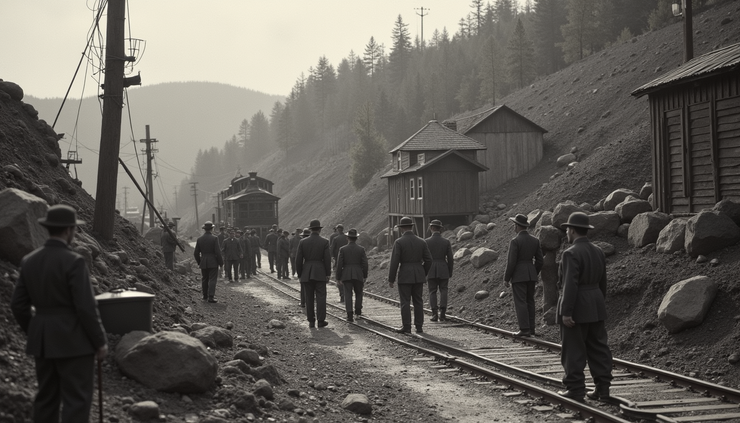
Redneck uprisings often began in small, close-knit communities where workers united to protect their livelihoods.
Origins of Redneck Uprisings: Pride and Community Resistance
The phrase "redneck" originally referred to rural laborers, particularly farmers and miners, who often worked under harsh conditions. These workers wore red bandanas or had sunburned necks from long hours outdoors, which became a symbol of their identity. In the late 19th and early 20th centuries, these communities faced exploitation by industrial interests, especially in coal mining regions.
Redneck uprisings emerged as spontaneous, community-driven protests against unfair wages, unsafe working conditions, and oppressive company policies. These uprisings were not just about labor rights but also about defending a way of life deeply tied to land and local culture. Workers relied on each other, sharing resources and organizing collectively to demand respect and fairness.
Key Characteristics of Early Uprisings
Grassroots organization: Leaders often came from within the community rather than external unions.
Strong local identity: The term "redneck" was embraced as a badge of honor, symbolizing resilience and solidarity.
Nonviolent and violent tactics: While many protests were peaceful, some escalated to confrontations when companies ignored demands.
Focus on justice: The uprisings sought fair treatment, safer workplaces, and economic survival.
One notable example is the West Virginia coal miners' strikes in the early 1900s, where redneck workers banded together to challenge exploitative mine owners. These uprisings drew national attention and highlighted the stark divide between labor and capital.
The Role of Mine Owners and Mercenaries in Changing the Narrative
As redneck uprisings gained momentum, mine owners and industrialists grew increasingly alarmed. They feared losing control over their labor force and profits. To counter these movements, they hired private security forces and mercenaries, often armed and trained to break strikes and intimidate workers.
These mercenaries were tasked with:
Disrupting protests: Using force to disperse gatherings and prevent organization.
Spreading propaganda: Portraying redneck workers as unruly, violent, and backward.
Undermining solidarity: Creating divisions within communities by targeting leaders and sowing distrust.
The use of mercenaries marked a turning point. The term "redneck" began to shift from a symbol of pride to one associated with disorder and prejudice. Media outlets, often influenced by industrial interests, depicted these uprisings as lawless riots rather than legitimate labor struggles.
Example: The Battle of Blair Mountain
One of the most infamous clashes was the Battle of Blair Mountain in 1921, where thousands of coal miners in West Virginia fought against armed forces hired by mine owners. The miners sought to unionize and improve conditions, but the conflict was framed by some as a violent insurrection by "rednecks" rather than a fight for workers' rights.
This event illustrates how the term "redneck" was weaponized to discredit labor movements and justify harsh crackdowns.
How the Term Became Unfavorable and Its Lasting Impact
The deliberate negative portrayal of redneck uprisings had lasting effects on public perception and labor history. Over time, "redneck" became a derogatory term used to stereotype rural workers as uneducated, violent, and resistant to progress. This shift served the interests of powerful industrialists by:
Dividing workers: Creating stigma that discouraged solidarity across different groups.
Justifying repression: Framing labor protests as criminal behavior allowed for legal and violent suppression.
Erasing history: Minimizing the legitimate grievances and contributions of rural laborers in shaping labor rights.
Despite this, many descendants of these communities continue to reclaim the term, emphasizing its roots in dignity and resistance.
Lessons from the Evolution of Redneck Uprisings
Understanding the transformation of the term "redneck uprisings" offers important insights into how language and power interact in social conflicts. It shows how dominant groups can manipulate narratives to maintain control and how marginalized communities can resist both economically and culturally.
Practical Takeaways
Recognize bias in historical narratives: Question who benefits from certain portrayals and seek multiple perspectives.
Value grassroots movements: Local, community-led actions often drive meaningful change.
Reclaim language: Terms once used to oppress can be redefined to honor heritage and struggle.
Support labor rights: Fair treatment of workers remains a critical issue today, echoing past conflicts.
The story of redneck uprisings is a reminder that history is shaped not only by events but by the words used to describe them. By revisiting these struggles with fresh eyes, we can appreciate the courage of those who fought for justice and challenge the prejudices that still linger.


Comments